Introduction
The Argument from Desire is an often overlooked argument that is both logically and emotionally appealing to theists. As Christian apologist Norman Geisler puts it, “it has a certain existential force.” 1 The Argument from Desire interprets seemingly universal desires and experiences of human beings, including those who may passionately declare themselves to be atheists, agnostics, or something else entirely, as evidence that points to the existence of Heaven specifically, but which is entailed by the existence of the Christian God more generally.
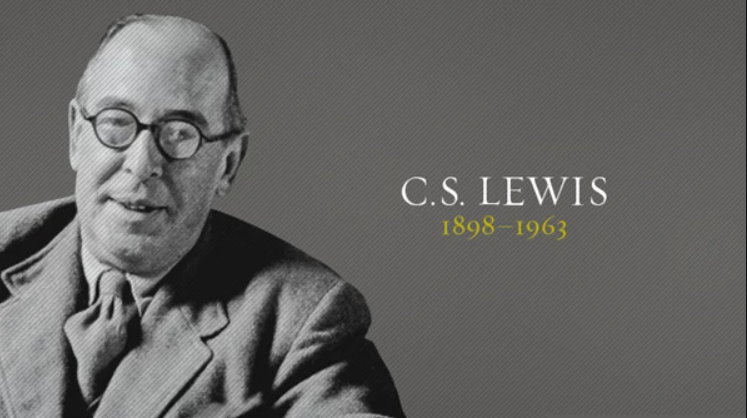
Though originally championed by C.S. Lewis in Mere Christianity, Pilgrim’s Regress, and The Problem of Pain 2, there have been numerous forms of the argument advanced in contemporary times. Some scholars, such as Norman Geisler and Art Lindsley 3, argue that the desire is one for immortality. Others state that it is a desire for everlasting joy, as Lewis himself did. Still others, such as Peter Kreeft, argue that this universal yearning is a desire for an intimate and lasting relationship with God, which likely entails the other two desires. This paper will focus mostly on the version of the Argument from Desire put forth by Christian apologist Peter Kreeft. 4 In the remainder of this paper, I will explore Kreeft’s argument in detail, providing criticisms and clarifications where appropriate applicable.
Continue reading →

 Tafacorian Thoughts